Our commitment to a safer digital space

This is the second edition of our biannual Linktree Transparency Report, giving you a look into how we keep Linktree safe and trusted. It covers our content moderation efforts from July to December 2024, and supports our commitment to transparency, and compliance with the Digital Services Act (DSA).

At Linktree, our mission is to help anyone build, grow, and earn from their online presence. To help make that possible, we invest in both technology and expert teams to keep Linktree safe for creators, businesses and visitors.

How we handle content moderation

We use a mix of automated tools, manual review and hybrid processes to spot and manage content that goes against our Community Standards.

Here’s how it works:

What we allow, and what we don’t

Creative expression is central to our community. While members have the freedom to curate their Linktrees, we have safeguards and limits in place to remove content that puts others at risk, violates laws or breaches our Community Standard

When creating a Linktree account, Linkers must confirm their adherence to our policies, including our Terms & Conditions and Community Standards. Any violations of these policies will result in warnings, content removal, and/or termination. In most cases, our Community Standards cover content that is considered illegal in the EU, and, in some categories we may also remove content that is legal but deemed violative on our platform.

Some examples of what we might take action on:

  • Adult content

  • Child harm

  • Copyright or trademark infringement

  • Electoral fraud

  • Extremism or terrorism

  • Harassment

  • Hate speech

  • Illegal goods and services

  • Misinformation

  • Invasion of privacy or impersonation

  • Self-harm

  • Shocking or violent content

  • Spam and fraud

  • URL abuse

Our global Trust & Safety team

Our Trust & Safety team is located across Australia, the Philippines, India, and the US, providing 24/7 coverage. Team members have a variety of escalation pathways available to them, and receive ongoing training and mental health support to manage the impact of reviewing sensitive content.

Moderation methods

We combine automated systems, third-party tools and manual review. Each method has a place in how we keep Linktree safe.

Automated

Flags content using text, image and URL-based models. Humans still oversee outcomes to reduce bias.

Hybrid

Uses automation with human review to refine and retrain systems.

Manual

Applied to content that needs more context—like appeals, IP reports or community submissions.

Actions we take

Content removals

We usually remove the violating content first and give the Linker a chance to fix things before suspending their Linktree. Content flagged in error can be appealed.

Profile terminations

We’ll remove a Linktree completely if a violation is severe or repeated. Affected Linkers are notified and can appeal the decision, unless there’s a legal reason not to.

Notifications, appeals and IP

Community violation reports

If Linkers or visitors believe they’ve found content that violates our policies, they can use Linktree’s in-profile reporting tool to access our violation reporting form. Once the form has been completed, it is manually reviewed by our moderation team. The reporting party is notified once their report has been processed.

Intellectual property (IP) reports

In cases of IP infringement on a Linktree, visitors or rights holders can submit an intellectual property report that will be reviewed manually, usually within 1-2 business days. Anyone who submits an IP report will be notified of the outcome. Linkers are notified of the outcome too, and given the chance to file a counter-notice if needed.

Appeals

As mentioned previously, if a person believes that their content is wrongly removed or their profile is unjustly terminated, they can appeal for a manual review. Our content moderation team carefully reviews each appeal, and in some cases appeals may be escalated internally for further evaluation.

There are three possible outcomes:

  1. If the decision is overturned, the Linktree or content will be restored.

  2. If the decision is modified, a warning gets applied (or removed) to a specific link.

  3. If the decision is upheld, the Linktree or content will not be restored.

Once the final decision is made, we let the affected Linker know.

Second half of 2024 results

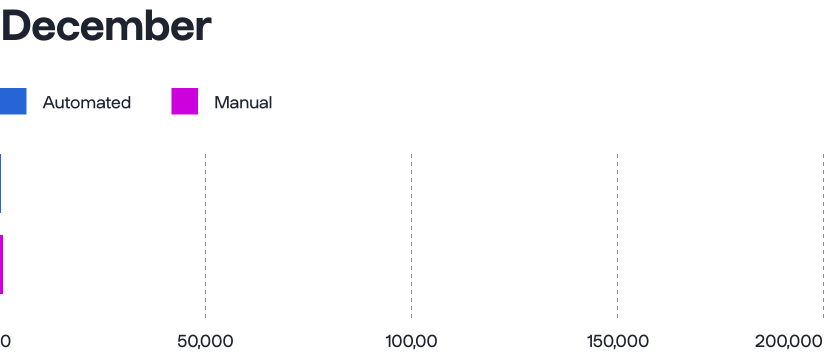
Automated, manual and hybrid moderation stats

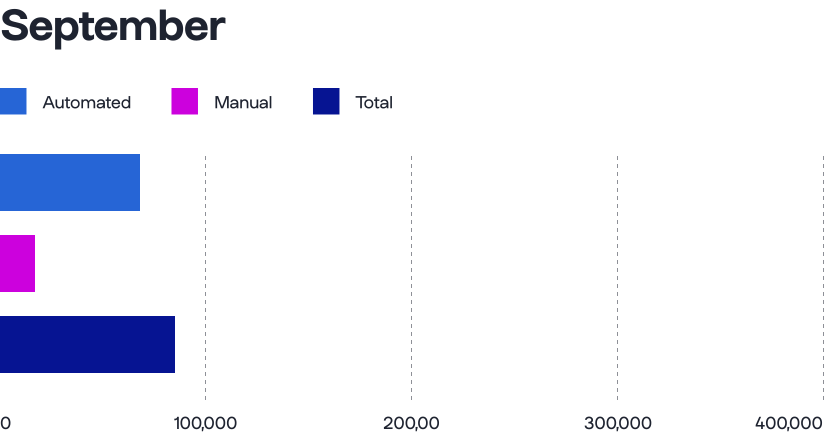
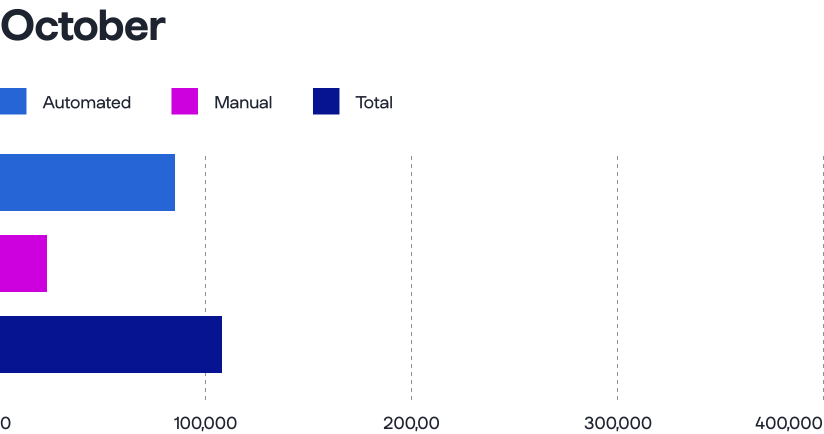
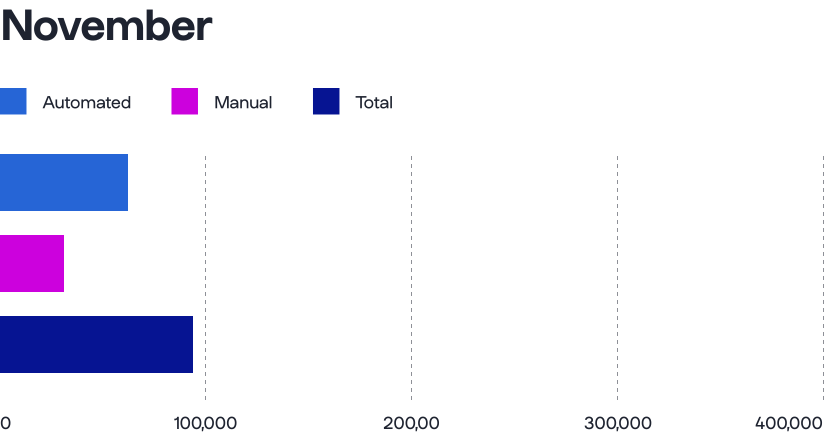
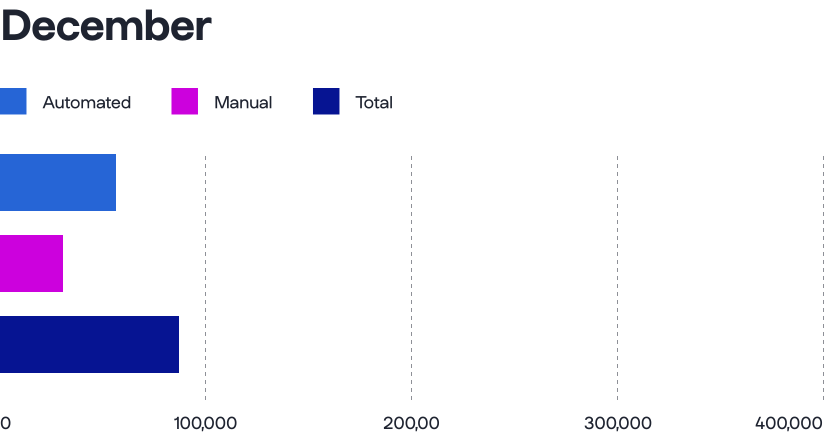
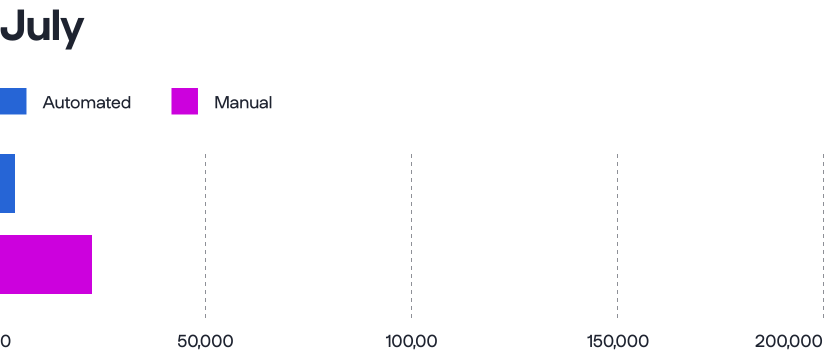
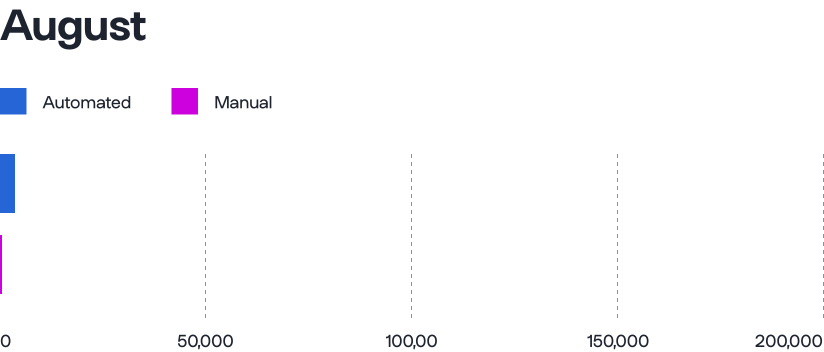
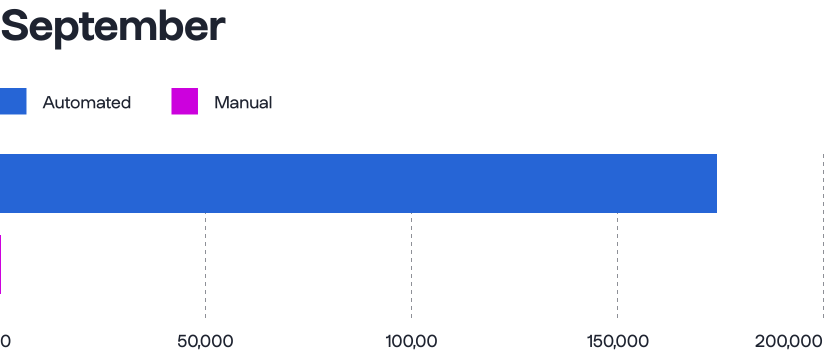
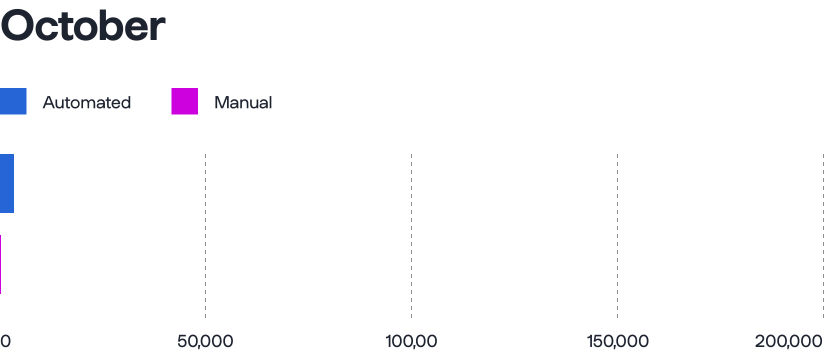
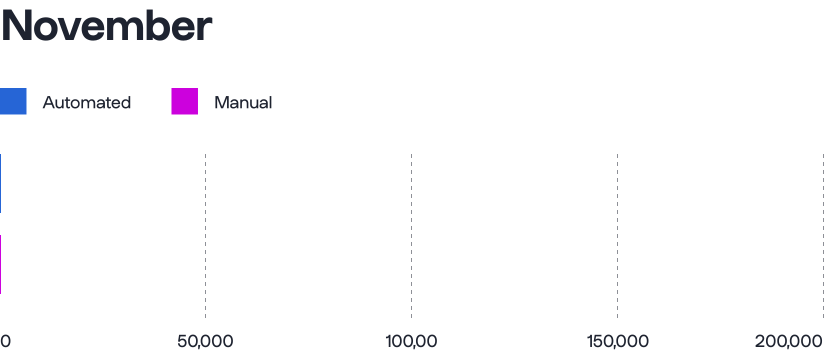
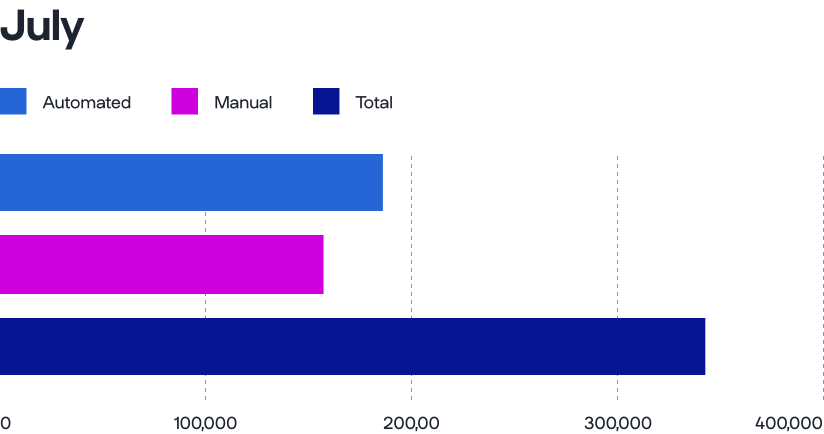
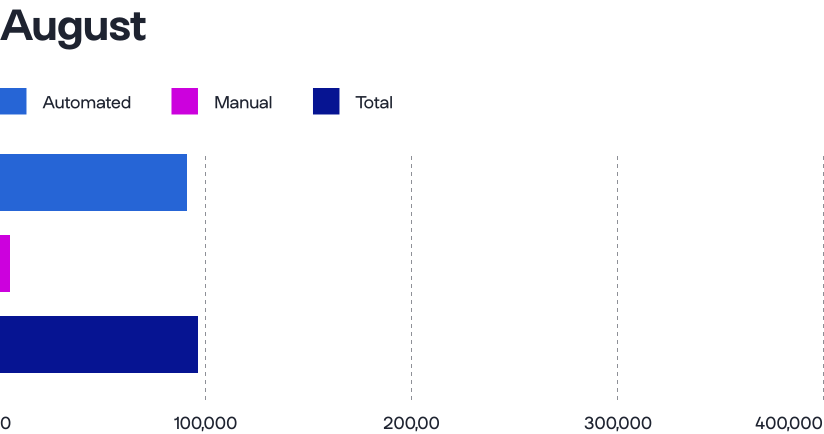
Here’s the percentage of links removed and banned from Linktree profiles. The percentage of decisions reversed, represents the accuracy of our automated processes.

You can also review the breakdown of manual link removals submitted by the content moderation team during the reporting period, vs how many were eventually reversed. These removals are associated with flagged items that were reviewed by the team and determined to be unsafe, illegal, or in violation of our Community Standards.
Volume of Moderation Actions

Volume of Reversals

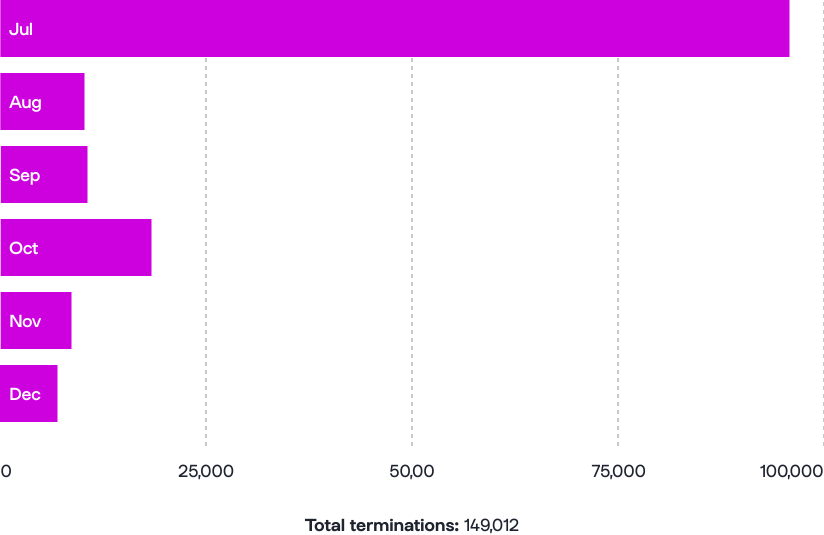
TERMINATIONS

Profile Suspensions

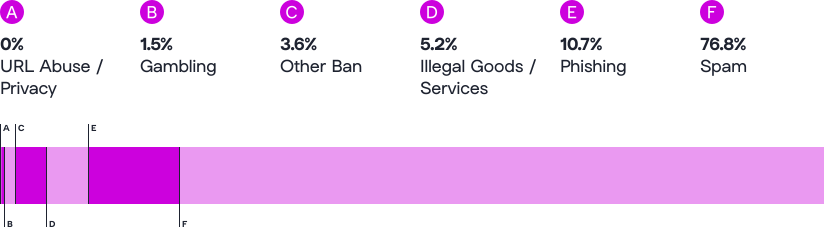
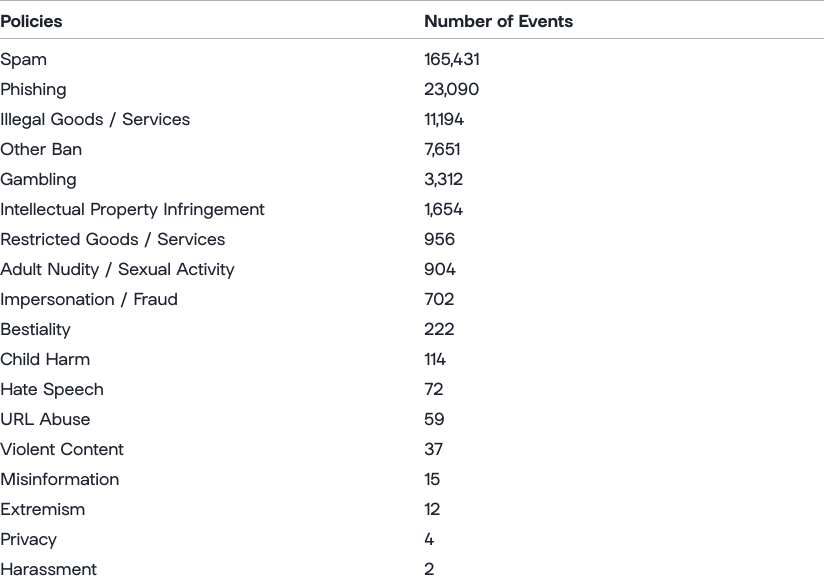
Breaking down the categories of banned Linktrees

Here are the most common reasons for a Linktree termination on a global basis.

Violative Category Breakdown Suspensions

Community violation reports

In addition to proactively detecting violative content on our platform, we welcome Linkers and visitors to report any content or Linktrees they believe breach our Community Standards.

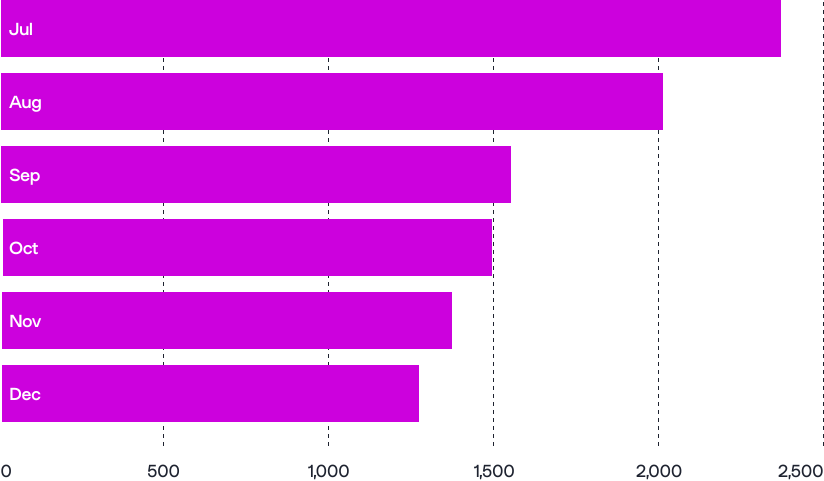
During this period, we received 10,059 submissions in our Violation Report form, averaging roughly 1,676 per month.

Community Violation Reports

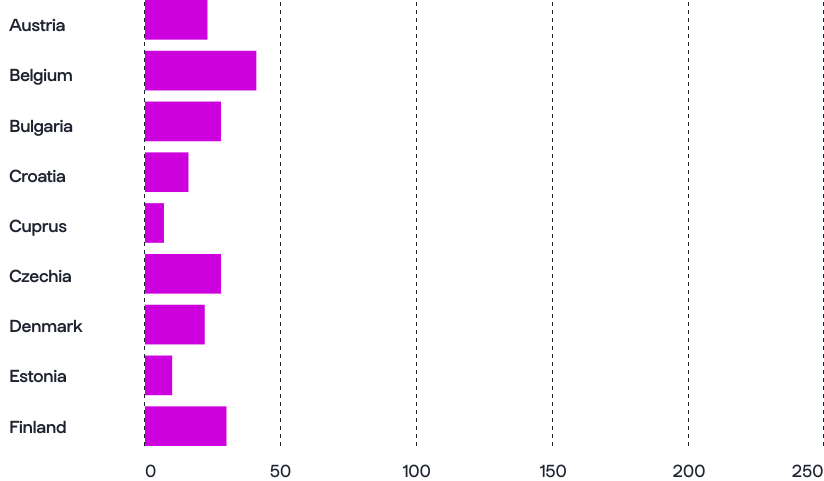
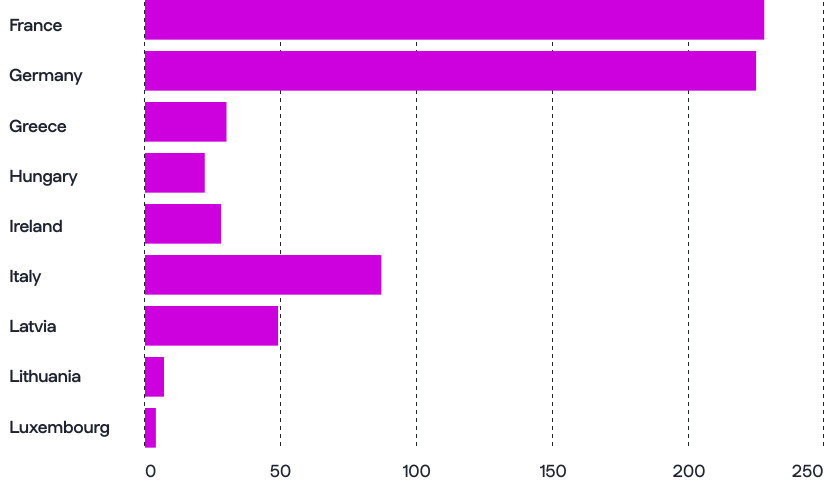
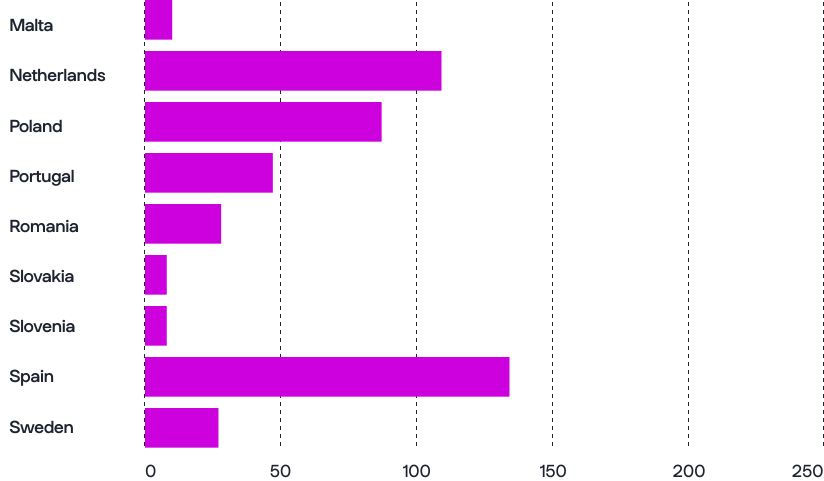
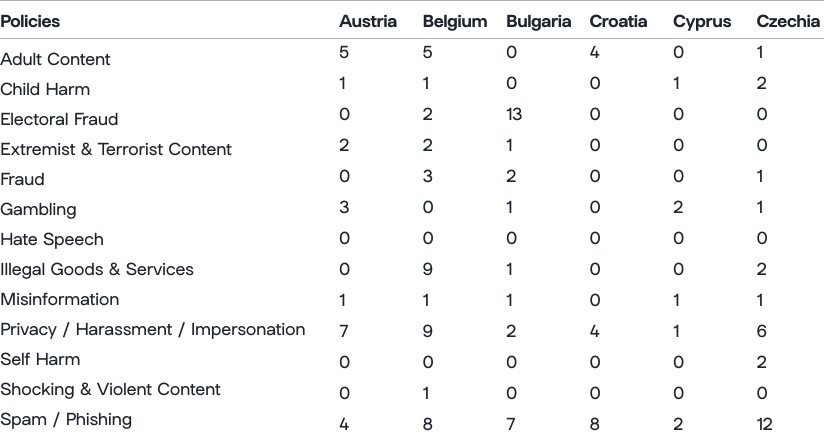
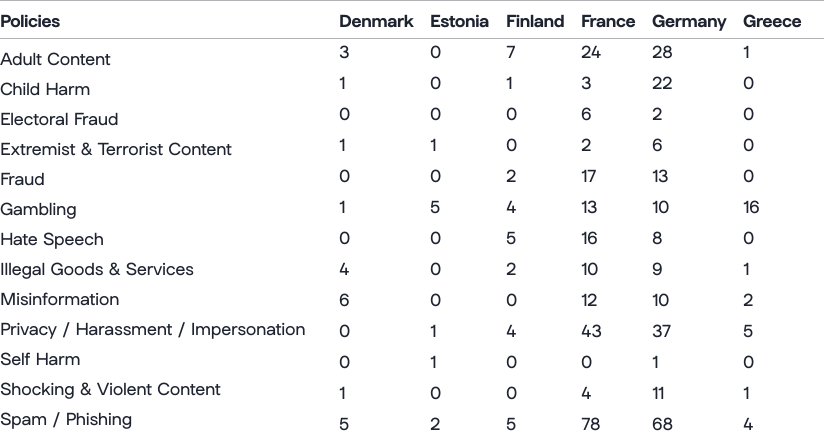
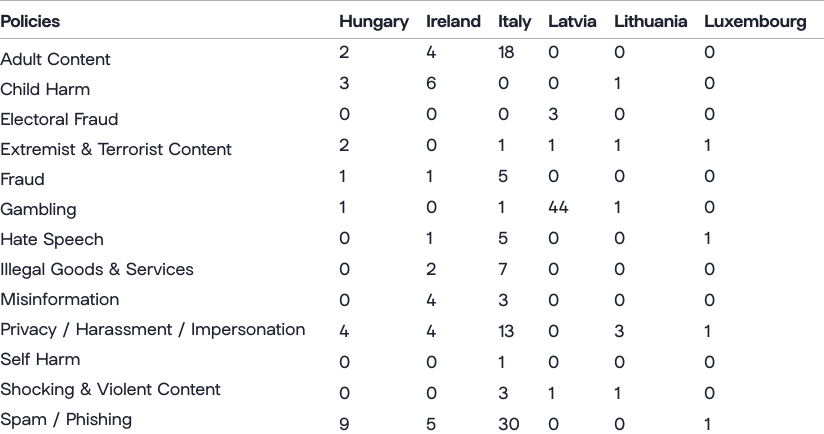
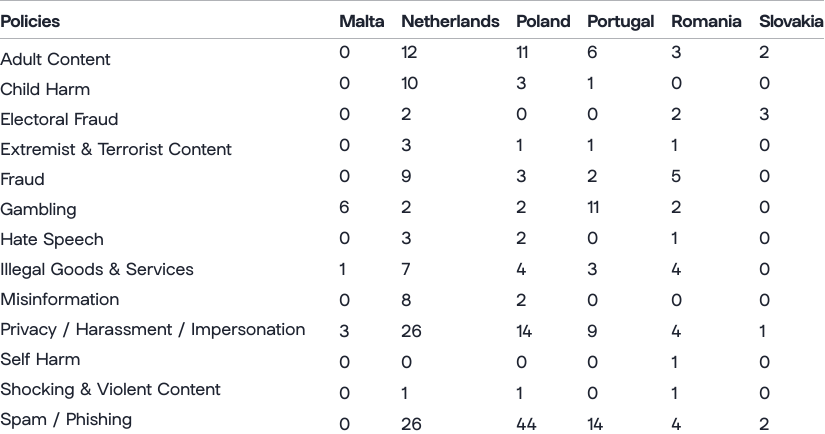
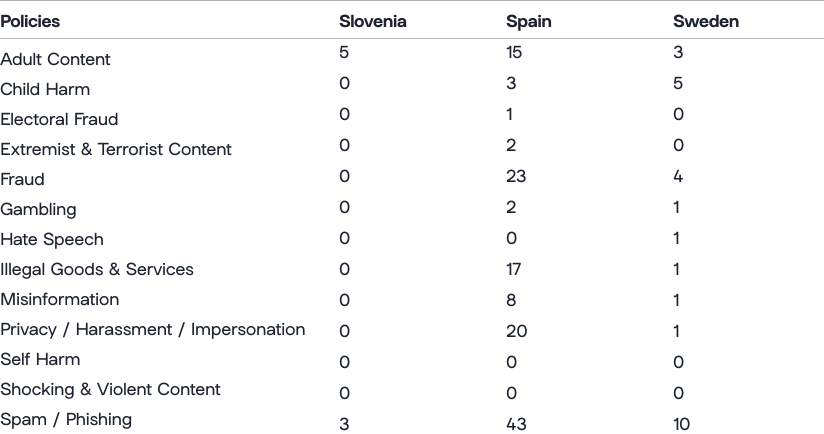
Here’s a breakdown of the community violation reports we’ve received from EU member states:

EU Violation Reports

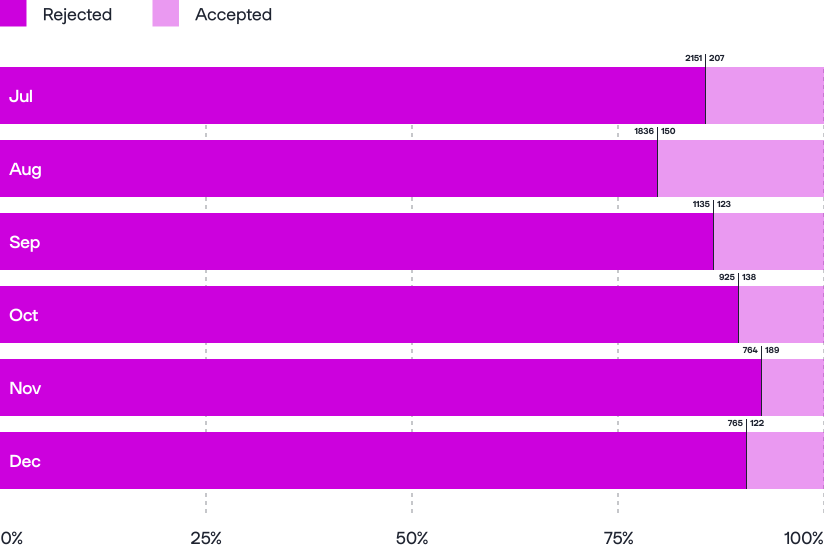
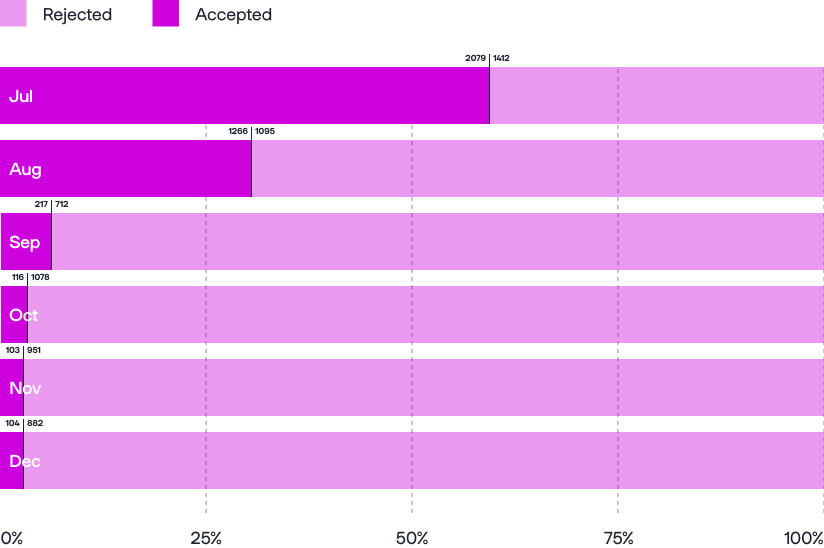
Ratio of acceptance

This graph shows the ratio of reports where there was no confirmed violation versus reports that did result in a moderation action. Only 10.9% of submissions reported during this time were in breach of our Community Standards.
Violation Reports: Rejected vs Accepted
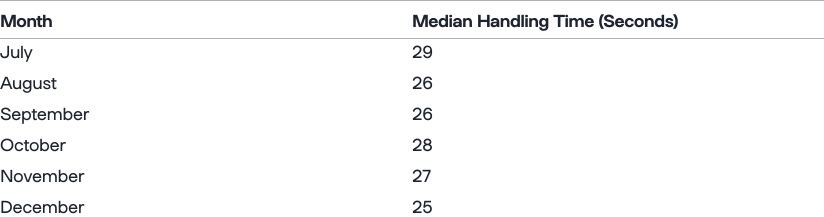
Median handling time

This data reflects the difference in time (seconds) between when the violation report was submitted and when it was closed out by the moderator (including review time and moderation actions).

Median Time in Queue (Seconds)
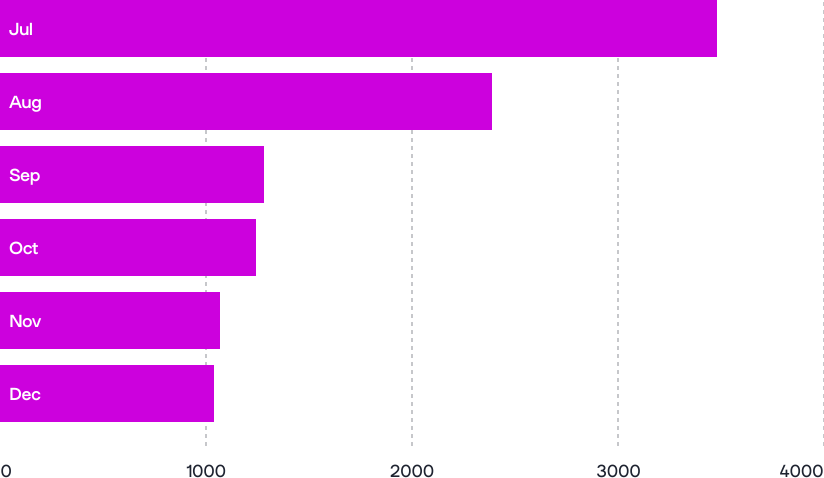
Number of appeals received

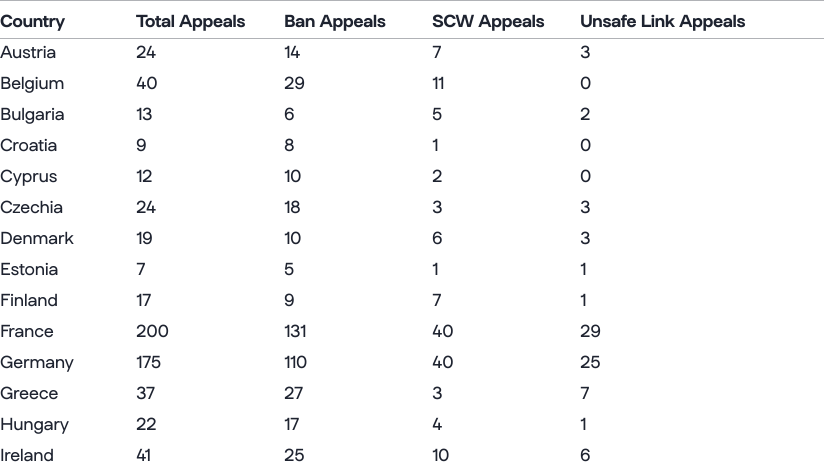
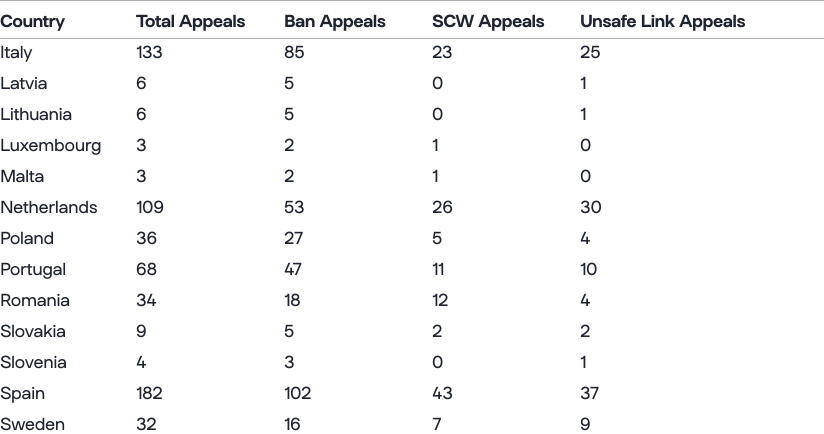
Appeals may be submitted for almost any moderation action taken on a Linktree. We received a total of 10,514 appeals during this period.

Volume of Appeals
Appeals within the EU:

Accepted and rejected appeal ratio

Here’s the ratio of appeals rejected (i.e. where the ban stayed in place) vs. the 38.8% of appeals we accepted (i.e. decision overturned and profile/content restored).

Appeals: Rejected vs Accepted
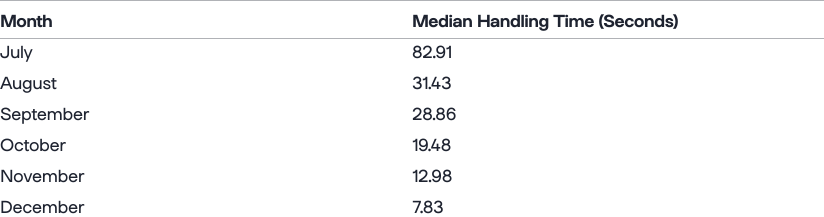
Median handling time

Here’s the difference in time (seconds) between the appeal being submitted and the decision being made by the moderator (including review time and any reversal of moderation actions).

Median Time in Queue (Seconds)

Intellectual property reports

Linktree respects intellectual property rights and we expect our users to do the same. When we receive an intellectual property report, it is manually reviewed to determine whether the report is valid and if the reported Linktree contains infringing content. If it does the content is removed, and if appropriate, the profile is terminated. More on our intellectual property policy

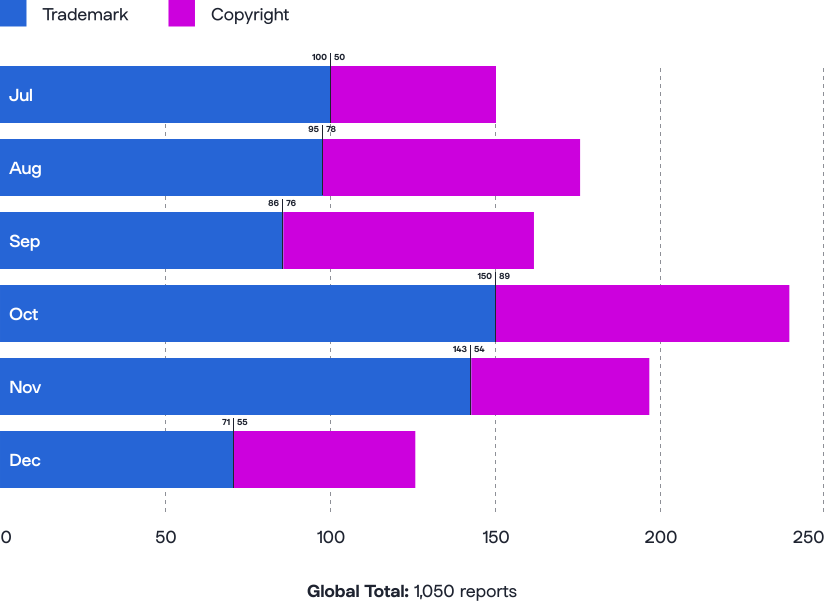
Here’s a breakdown of the global volume of IP reports we received during the data period.

Trademark and Copyright
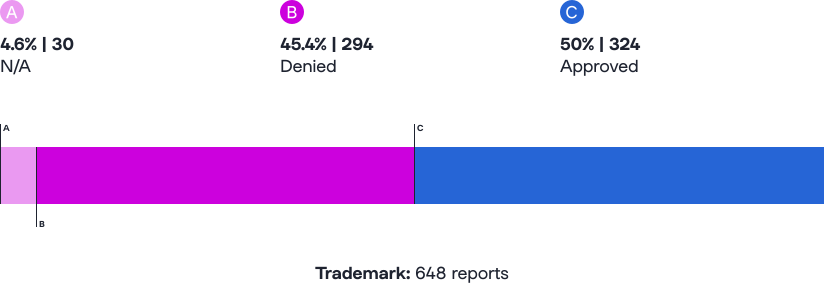
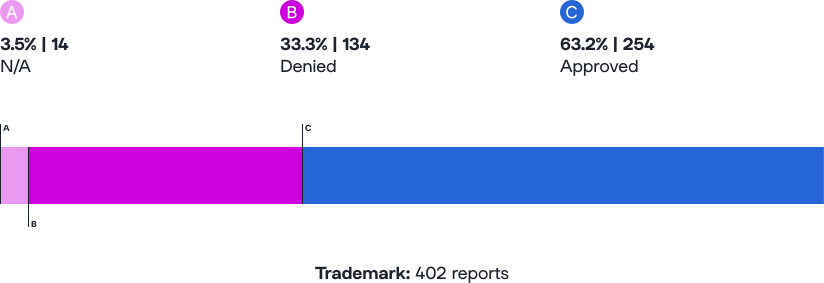
The two charts below highlight the ratio of copyright and trademark reports that were accepted, denied or resulted in no action.

Trademark Reports

Copyright Reports

Here’s the median time we took in hours to respond to intellectual property reports. During the data period, the average median first response time was 11.81 hours.

Median Response Time (Hours)

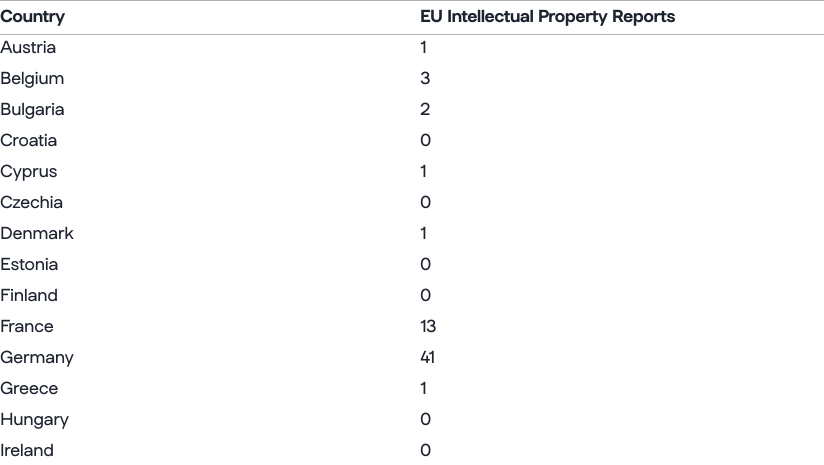
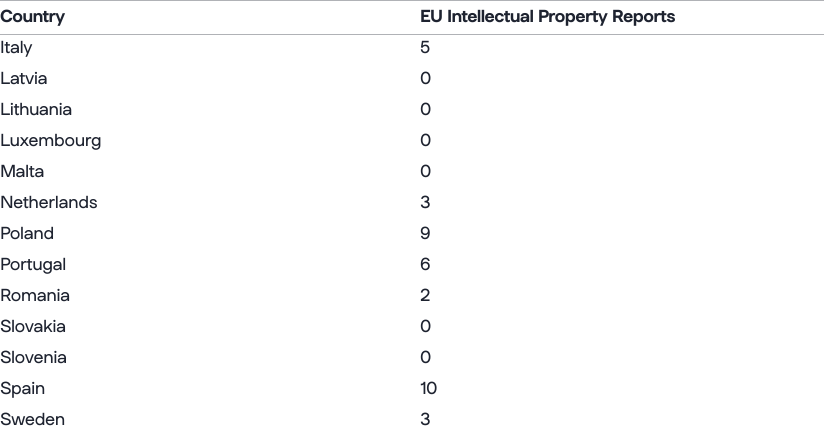
Here’s the volume of IP reports received from within the EU.
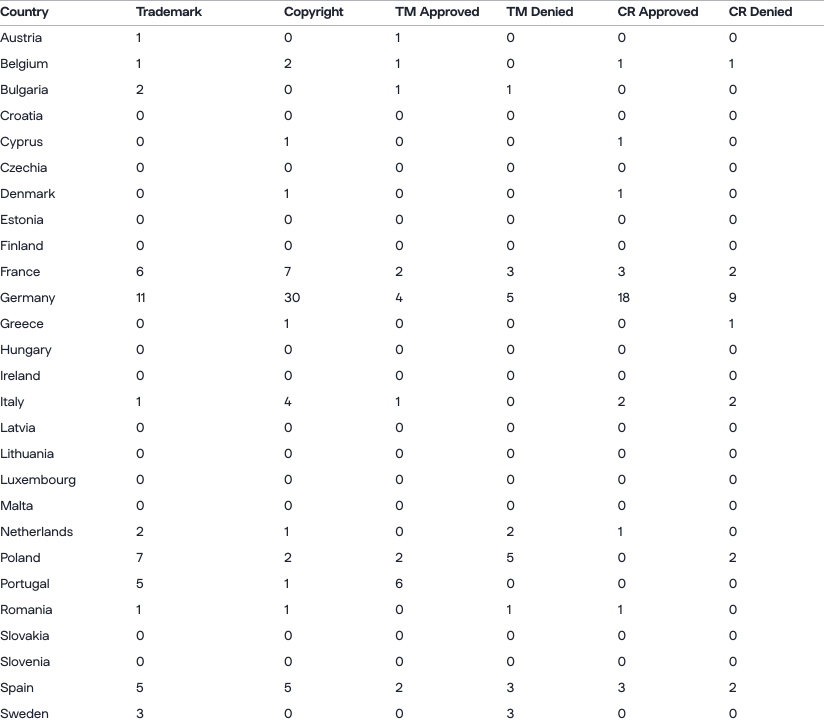
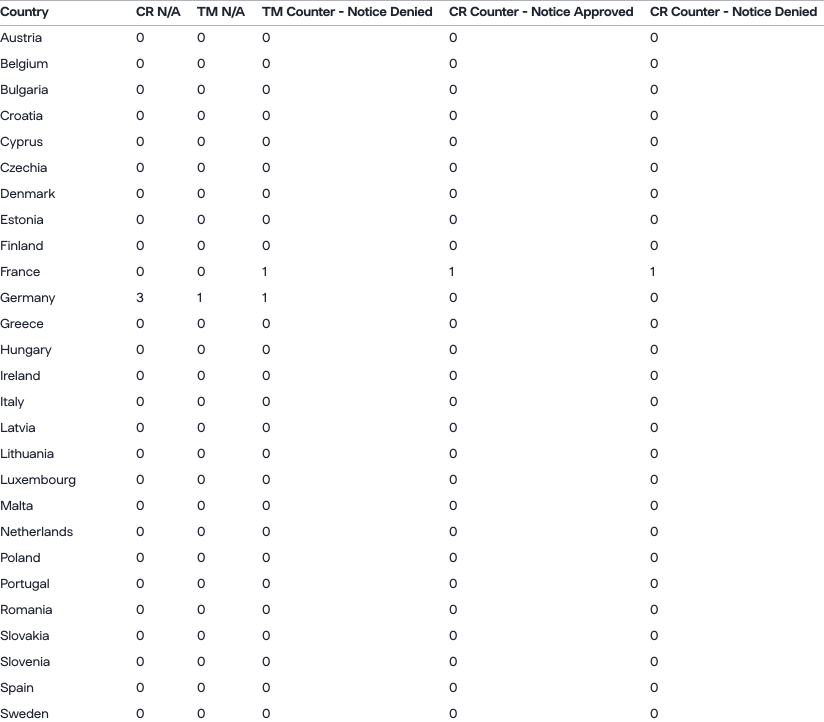
Plus, the complete breakdown for the IP reports we’ve received from each EU member state as well as the total actions taken with each report.

Legal requests

At Linktree we take legal information requests seriously. They are reviewed manually and actioned quickly. Any legal requests can be submitted to [email protected].

Here are the four legal information requests we received during the data period. Subpoenas are only actioned if accompanied by the appropriate legal documentation.


Linktree hasn’t received any reports from Trusted Flaggers, as defined by the DSA. We remain committed to closely monitoring activity and maintaining an open channel of communication with our trusted flaggers to ensure swift action when necessary.

Monthly active recipients in the EU

Article 24(2) of the DSA requires online platforms like Linktree to publish information on average monthly active recipients of the service every six months. These recipients should be geographically located in the EU. The primary purpose of publishing this number is to identify if an online platform is a ‘very large online platform’ = at least 45 million users per month in the EU.

For the period between 01 July 2024 to 31 December 2024 the average number of monthly active recipients was below the 45 million user threshold for being designated as a VLOP.

We define a monthly active recipient as users and visitors who visit our platform and interact with a Linktree at least once, for example clicking a link, during the calculation period. We have also attempted to limit this number to “unique” visits only e.g. counting multiple visits by the same user as only once in each month.

We will continue to monitor the number of average monthly active recipients and publish updated information in accordance with Article 24(2) of the DSA.